Guangzhou First People's Hospital was founded in 1899 and boasts a 126-year history. It currently comprises three parts: the Main Hospital, Nansha Hospital, and Hedong Branch. The hospital has long enjoyed a high reputation locally in Guangzhou, throughout the province, across the nation, and even in Southeast Asia. It has been consistently listed in the "China Hospital Competitiveness • Top 100 Hospitals Ranking" for multiple consecutive years and ranks among the top three in the "China Hospital Competitiveness • Top 100 Municipal Hospitals in Provincial Capitals Ranking". In 2021, it was ranked 18th in the South China Region in the Fudan University edition of the Chinese Hospital Ranking. The hospital has received honors including the "Best Employer Rising Hospital of National Healthcare Institution in 2020", "Top 10 Best Employer Public Hospital of National Healthcare Institution in 2021 & 2022", and the "Top 10 Most Popular National Healthcare Institution Among University Students in 2022". In 2024, it was among the first batch of hospitals to pass International Hospital Accreditation.
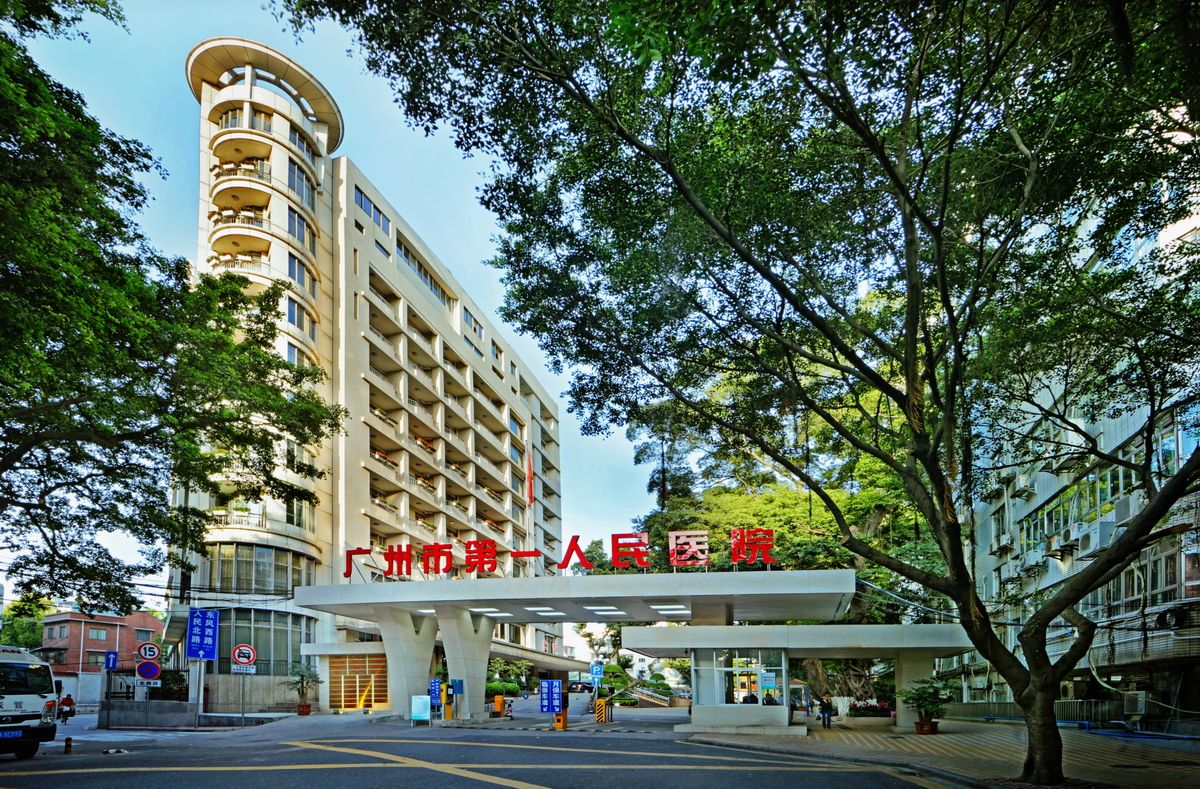
It is one of the first Class III Grade A hospitals in Guangdong Province. In 2013, with the approval of the Guangzhou Institutional Organization Committee, it added the name "Guangzhou Digestive Diseases Center". In 2019, it was selected as a key construction hospital for Guangdong Province's "Summit Plan" and a construction unit for Guangzhou's High-Level Hospitals. The hospital has a total of 2,970 authorized beds. It handles 3 million outpatient and emergency visits annually, and discharges 113,000 inpatients per year. As of March 2025, the hospital employs 3,447 healthcare technical personnel, including 1,032 with senior professional titles, 61 doctoral supervisors, and 229 master's supervisors. It boasts 186 individuals recognized with national, provincial, or municipal-level talent titles, including 11 experts receiving State Council Special Allowance, 1 national candidate for the New Century Millions of Talents Project, 1 National Young and Middle-Aged Expert with Outstanding Contributions, 2 National High-Level Outstanding Young Talents, 1 Young Scientist of the National Key R&D Program, 1 National Health Commission Health Industry Economic Management Leader, 3 Guangdong Provincial Outstanding Young Scholars, 3 Guangdong Provincial Medical Leading Talents, 15 Guangdong Provincial Outstanding Young Medical Talents, 1 Guangzhou Outstanding Expert, 5 Guangzhou Excellent Experts, 30 Guangzhou Young Reserve Talents, 3 second-tier reserve candidates for Guangzhou's "Lingnan Yingjie Project", 1 Guangzhou Medical Leading Talent, 13 Guangzhou Key Medical Talents, 9 Guangzhou Medical Backbone Talents, 1 leading talent under Guangzhou's "Caiyuan Guangjin Plan", and 82 outstanding talents recognized by the Guangzhou Municipal Health Commission. The hospital has also flexibly introduced 81 specially appointed and guest professors, including Nobel laureates, members of the US National Academy of Sciences, members of the National Academy of Medicine, National Science Fund for Distinguished Young Scholars recipients, and National Science Fund for Excellent Young Scholars recipients.
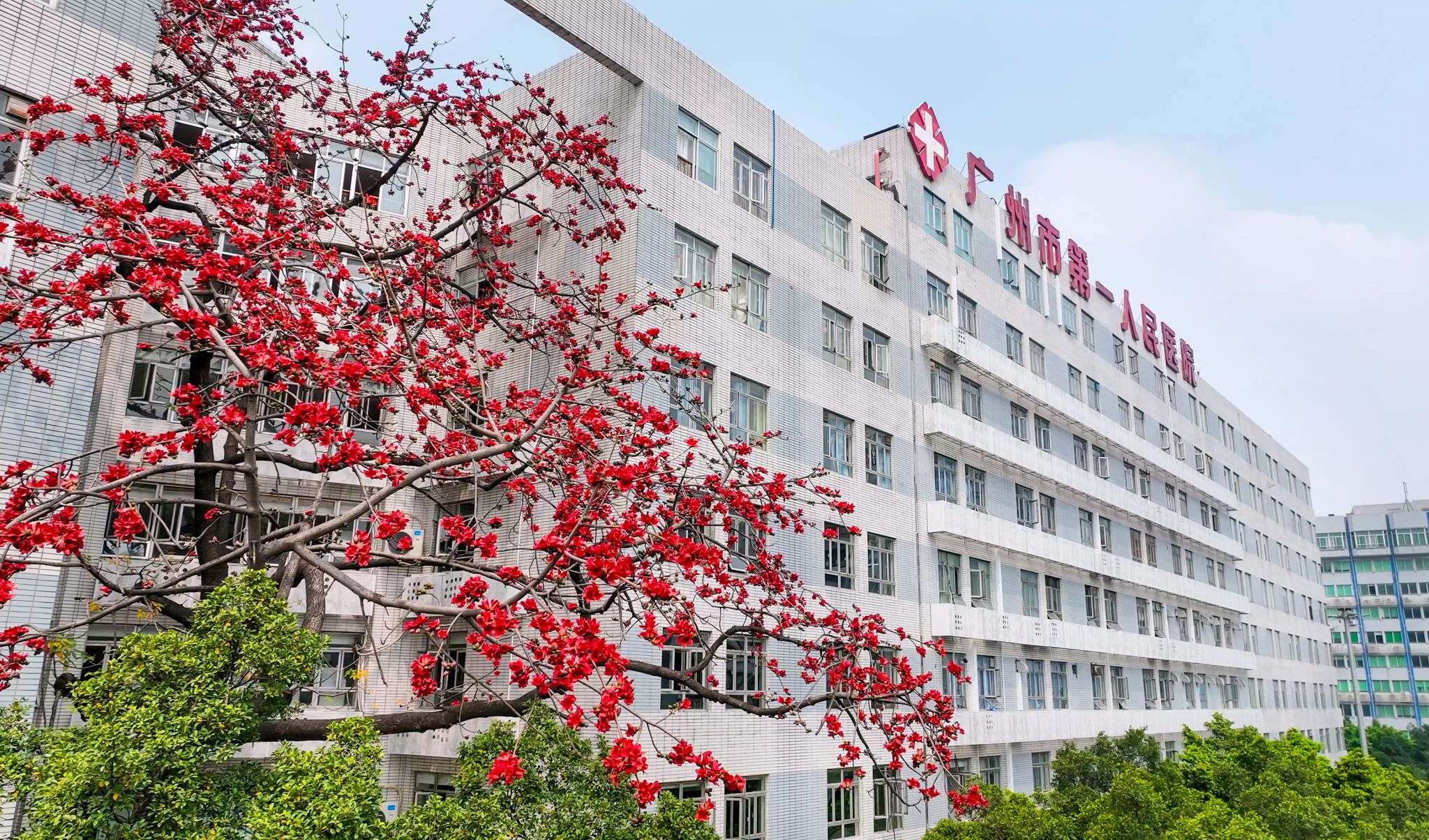
The hospital covers a comprehensive range of disciplines. Its National Clinical Key Specialties include Hematology, Gastroenterology, Geriatrics, and Urology. Hematology, Gastroenterology, and Geriatrics are also recognized as High-Level Clinical Key Specialties in Guangdong Province. Twenty-one specialties are designated as Guangdong Provincial Clinical Key Specialties, including Cardiac and Great Vascular Surgery, General Surgery, Orthopedics, Anesthesiology, Neurosurgery, Urology, Respiratory and Critical Care Medicine, Neurology, Endocrinology and Metabolism, Cardiovascular Medicine, Burn, Plastic & Aesthetic Surgery and Wound Repair, Nephrology, Medical Imaging, Oncology, Clinical Nursing, Laboratory Medicine, and Emergency Medicine. The hospital houses one National Training Base for Central Sterile Supply Department, 24 National Standardized Training Bases for Resident Doctors, and serves as a National Specialist Physician Standardized Training Base for Geriatrics and General Surgery.
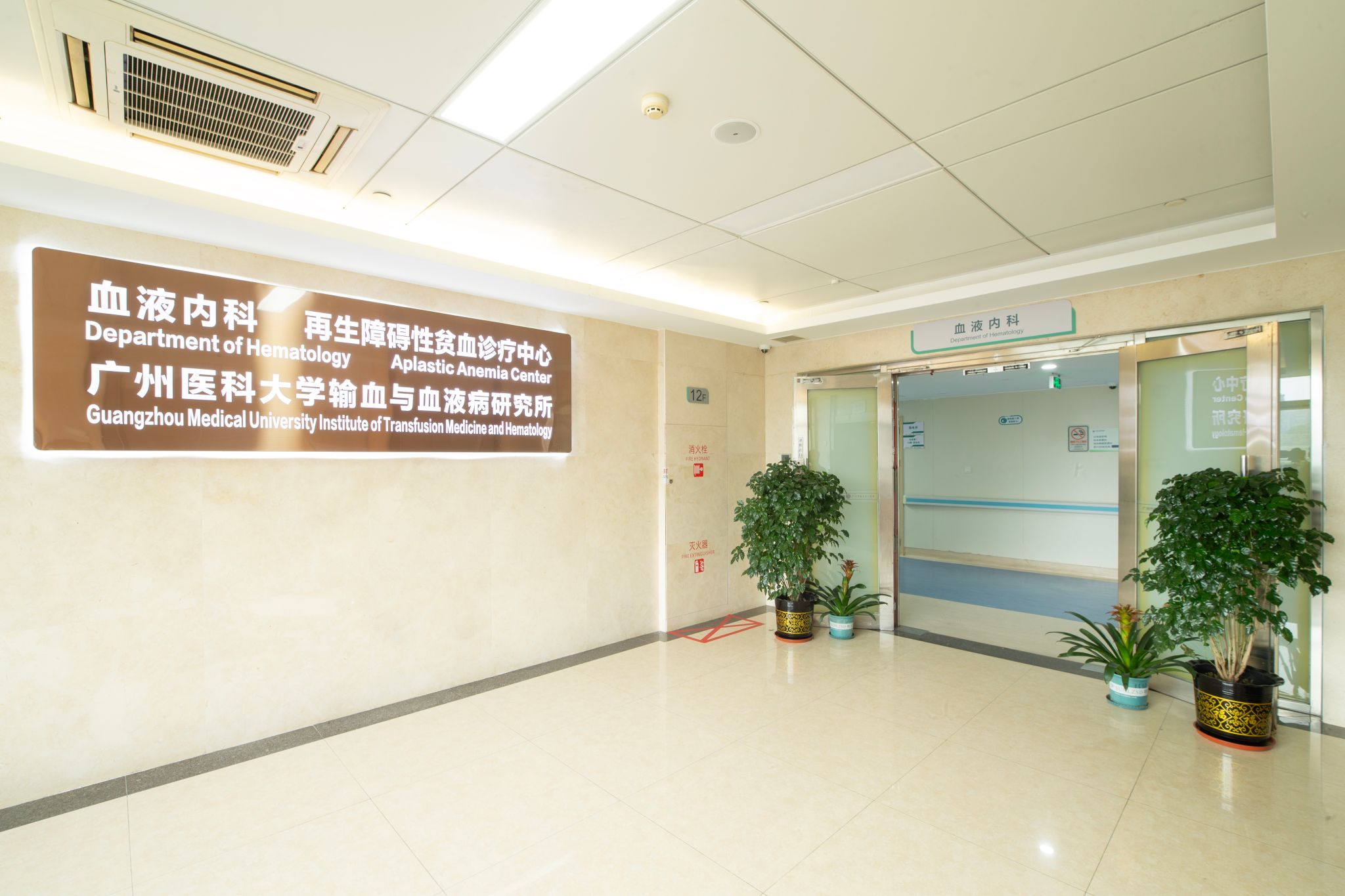
The Department of Hematology functions as a Guangdong Provincial Training Base for Hematopoietic Stem Cell Transplantation Technology. It is also the first department in Guangzhou to perform gene therapy for transfusion-dependent thalassemia in adults and operates one of the largest hematopoietic stem cell transplantation centers in Guangdong Province. The annual number of severe aplastic anemia transplants performed and their treatment efficacy rank among the top domestically. In 2025, it was approved as the "Guangzhou Major and Difficult (Rare) Disease Diagnosis and Treatment Center for Aplastic Anemia". The hospital, in collaboration with the Guangzhou Blood Center, established the "Institute of Blood Transfusion and Hematology, Guangzhou First People's Hospital, Guangzhou Medical University" to strengthen precise blood transfusion, hematologic disease laboratory capabilities, and subspecialty development in hematology, aiming to build a leading center for hematologic disease diagnosis and treatment.
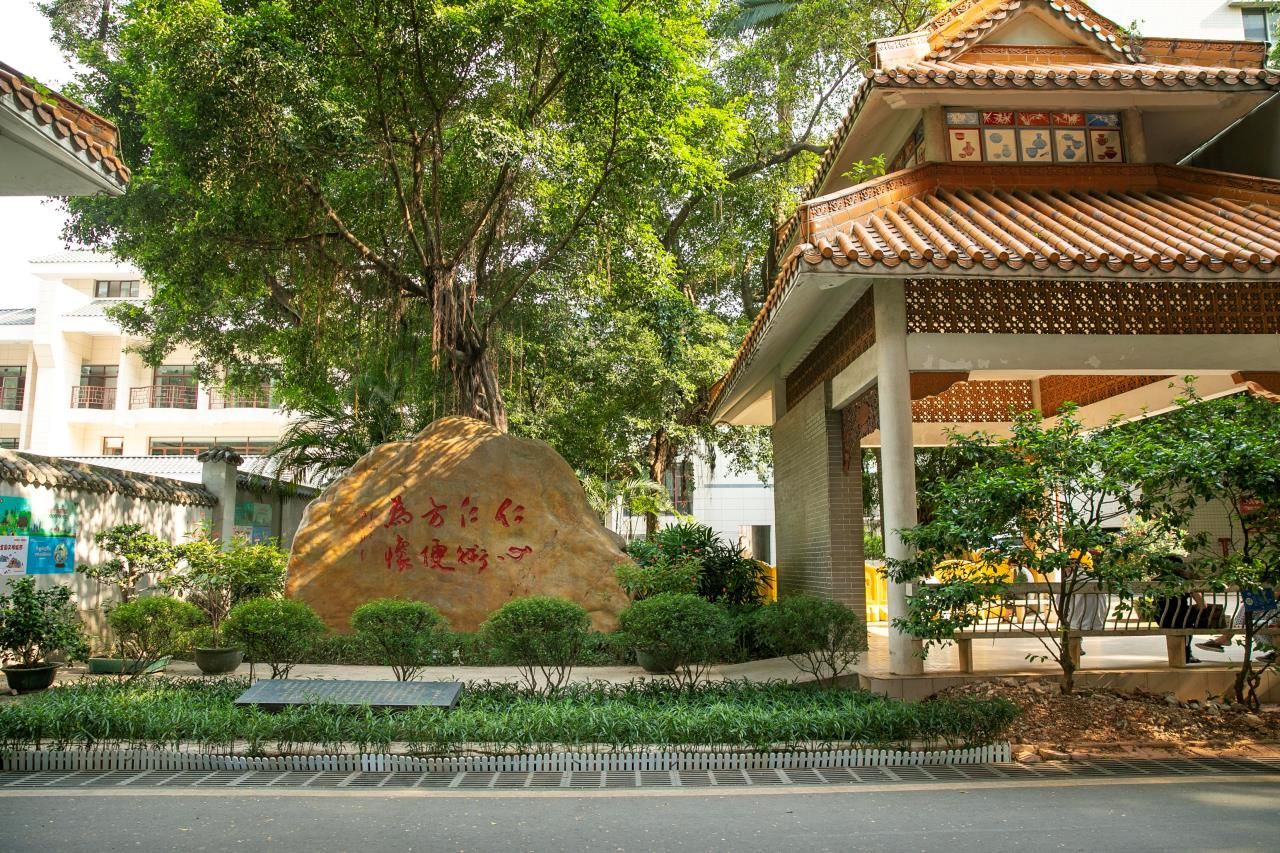
The hospital is deepening its development as a research-oriented hospital. Over the past five years, it has obtained more than 797 project approvals at various levels, with total funding exceeding 170 million RMB. This includes 159 projects funded by the National Natural Science Foundation of China. It has published over 500 SCI-indexed papers, including several high-impact papers in top international journals such as Nature, Cell, and Blood. The hospital's Medical Research and Innovation Transformation Center is located on Guangzhou International Bio-Island. The research platform is equipped with more than 300 pieces of equipment spanning over 90 types, with a total asset value of 100 million RMB. It can accommodate more than 200 researchers, including Principal Investigators, full-time research staff, postdoctoral fellows, doctoral candidates, and master's students. The center operates under the principles of centralized planning, open sharing, and intensive management, employing comprehensive information management. The inauguration of this center marks a significant step forward in the hospital's research platform construction, serving as crucial support for discipline development and talent cultivation.
In the future, leveraging national and provincial clinical key specialty platforms, the hospital will further advance the cultivation of high-level medical talents and accelerate the development of a cluster of high-level specialties with leading influence, such as the Guangzhou Aplastic Anemia Diagnosis and Treatment Center and the Guangzhou Geriatric Disease Diagnosis and Treatment Center. It aims to create integrated scientific research and clinical complexes, build platforms for precision medicine and translational research, and fully propel the high-level, high-quality development of the research-oriented hospital. This effort will help the century-old prestigious hospital scale new heights together with Guangdong Province, standing at the forefront of reform and opening-up.
Main Hospital Address: No. 1 Panfu Road, Yuexiu District, Guangzhou.
Nansha Hospital Address: No. 105 Fengze East Road, Nansha District, Guangzhou.
Hedong Branch (Ophthalmology, Otorhinolaryngology and Stomatology Center): No. 30–32 Huadi Avenue South, Liwan District, Guangzhou.